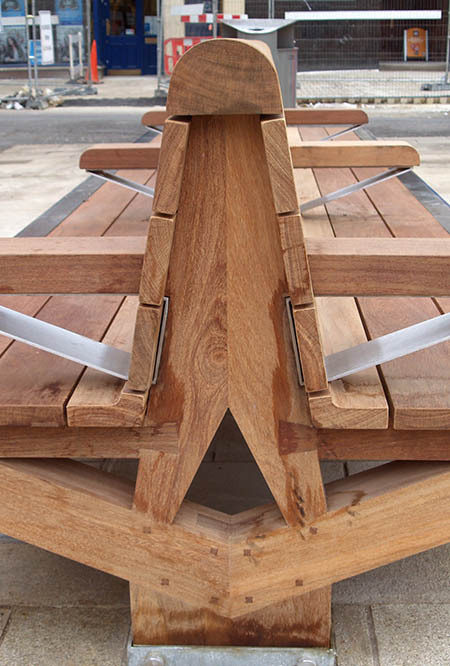
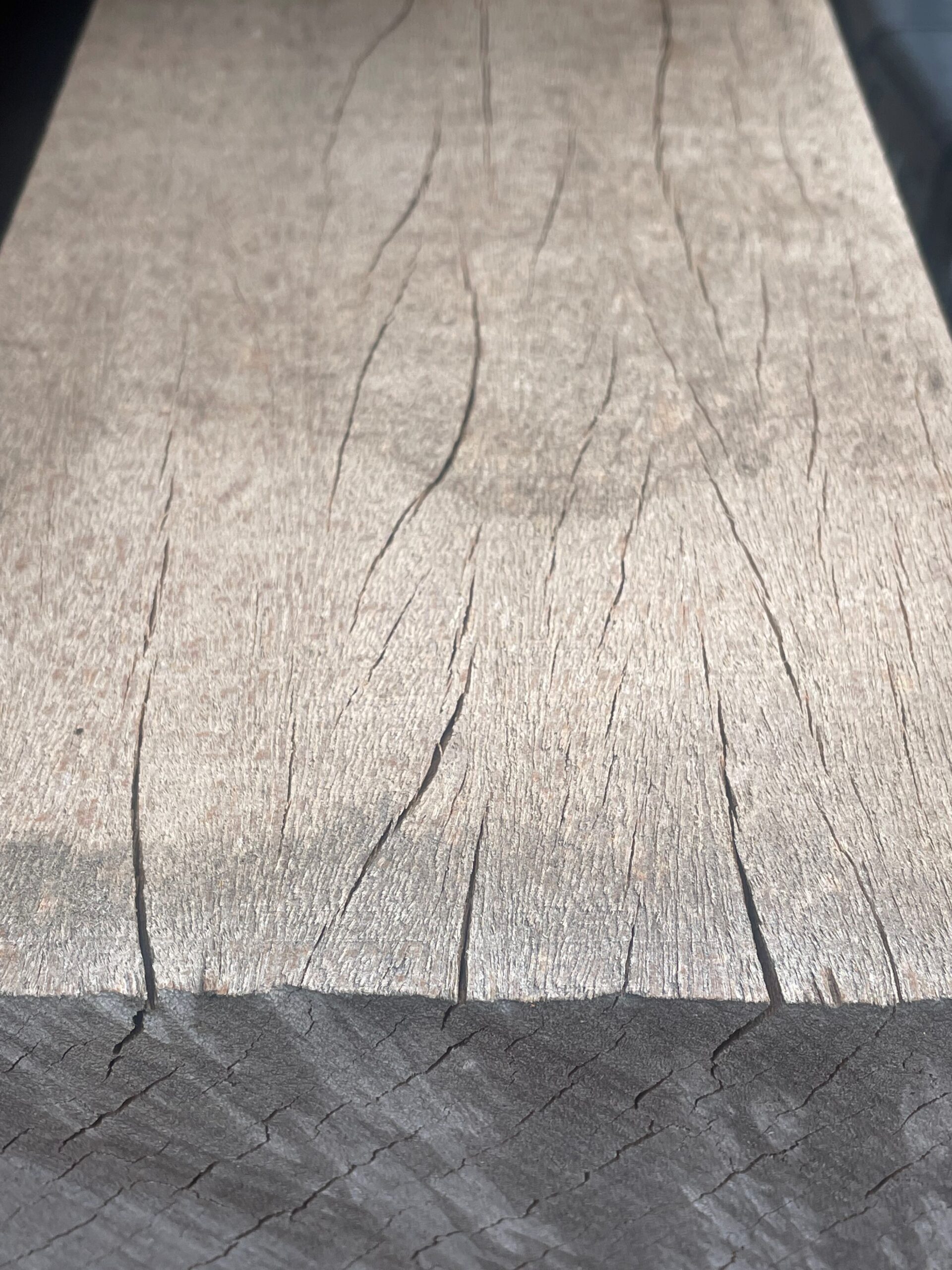
FSC® Timber
Factory Furniture uses only FSC®-certified timbers. Illustrated below is a live, continuously updated selection of the timbers we regularly use in our manufacture. To reduce reliance on at-risk species, we also specify sustainable alternatives from lesser-known, commercially harvested timbers and can advise on their suitability and sustainability for your project.
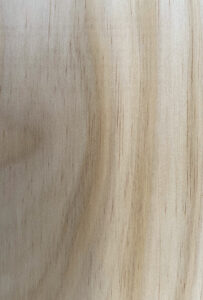
- Species: Accoya® Radiata Pine – Acetylated Pinus Radiata:
- Type of timber: Softwood:
- Comments: Clear graded Radiata pine is treated with acetic anhydride (a vinegar) to produce an incredibly stable softwood with a lifespan of 50 years above ground Accoya® remains a softwood and its durability in high traffic areas makes it susceptible to chipping
-
Download
Accoya
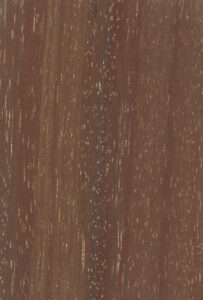
- Species: Azobe - Lophira Alata
- Comments: Very dense hardwood with a deep red colour suitable for larger sections which will have a lifespan in excess of 100 years when over 200mm section
-
Download
Azobe
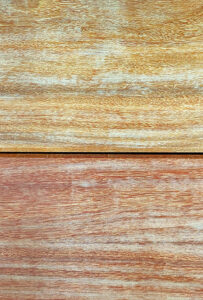
- Species: Cumaru - Dipteryx Odorata:
- Comments: Now CITES Appendix II listed – we supply fully certified FSC® stocks with all required permits. Very low tannin content means minimal bleeding/staining. Colour ranges from golden yellow to deep red-brown, weathering naturally to silver-grey.
Sustainable, high-performance and built to last.
-
Download
Cumaru
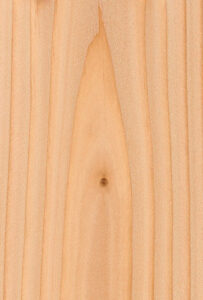
- Species: Douglas Fir- Pseudotsuga Menziesii
- Comments: Clear graded and stable softwood moderately durable but susceptible to insect attack and will need treatment
-
Download
Douglas Fir
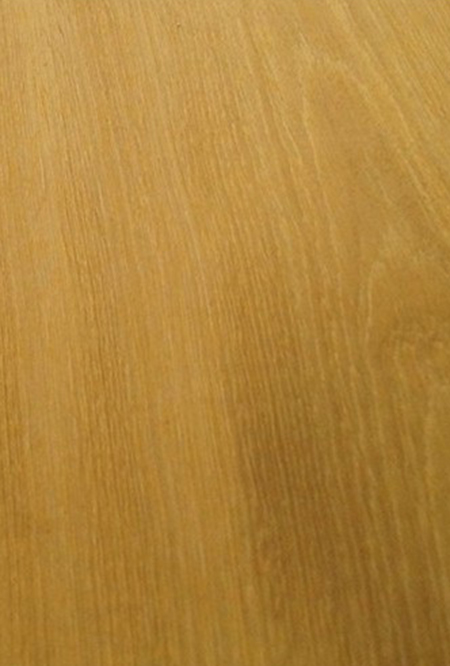
- Species: Guariuba - Clarisia Racemosa
- Comments: Very dense hardwood with a golden colour turning grey when weathering
-
Download
Guariuba
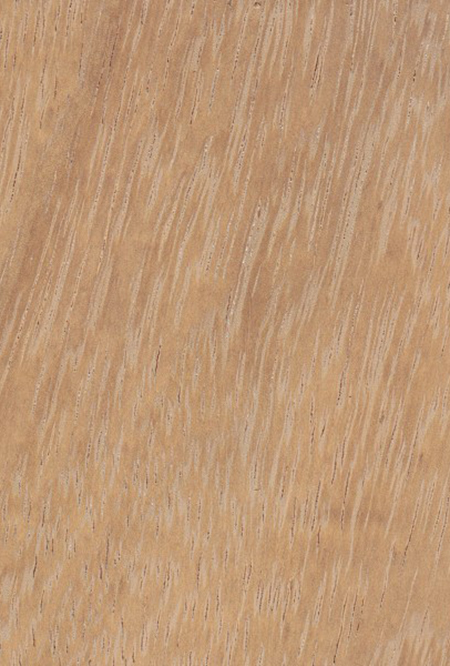
- Species: Iroko - Milicia excelsa:
- Comments: Iroko is a durable hardwood that weathers to a grey finish.Our experience indicate it is unstable in large sections, prone to delamination. Now considered endangered and FSC stock is limited
-
Download
Iroko
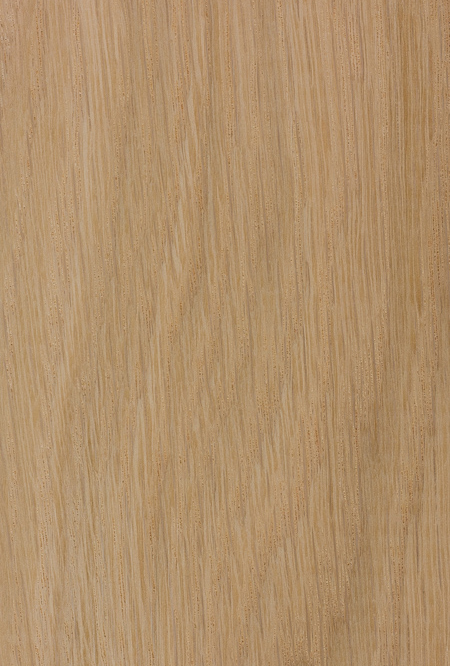
- Species: Oak - Quercus Alba:
- Comments: Careful attention to remove sapwood as its prone to rot and attention to control tannin run off in the first 12 months. Larger sections are preferred to increase design life although it must be noted it is prone to shakes (splitting)
-
Download
Oak
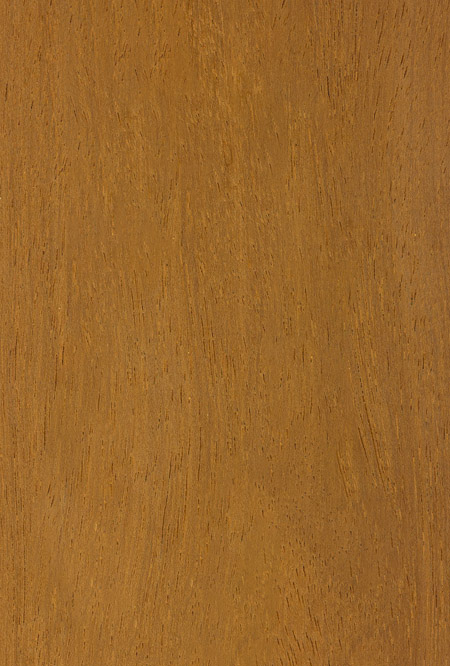
- Species: Opepe - Nauclea Diderrichii:
- Comments: Also known as Bilinga. Used in construction and marine applications and favoured for its strength, durability and resistance to decay
-
Download
Opepe
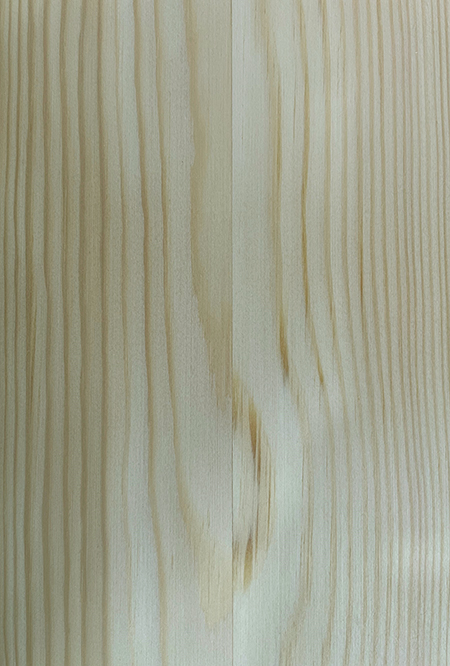
- Species: Redwood Pinus Sylvestris
- Comments: Clear graded and stable softwood non-durable therefore needs treating - we usually pressure treat afer machining to ensure all esposed timber has protection
-
Download
Redwood
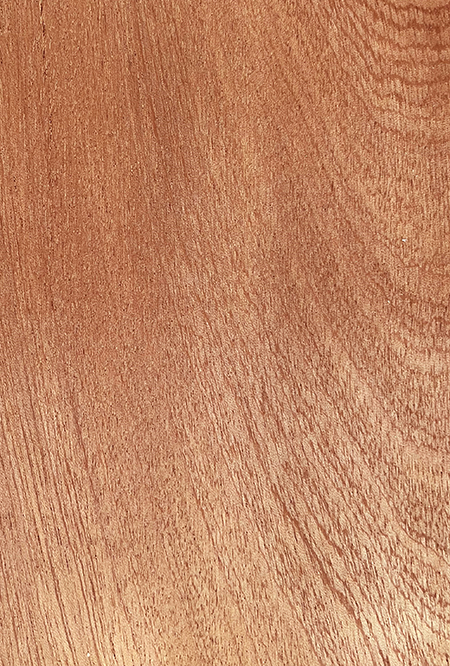
- Species: Sapele - Entandrophragma Cylindricum
- Comments: Very stable, tight-grained hardwood with a consistent red colour that weathers to silvery grey if left uncoated. Strong, low-movement, and naturally beautiful, Sapele is also a sustainable choice
-
Download
Sapele
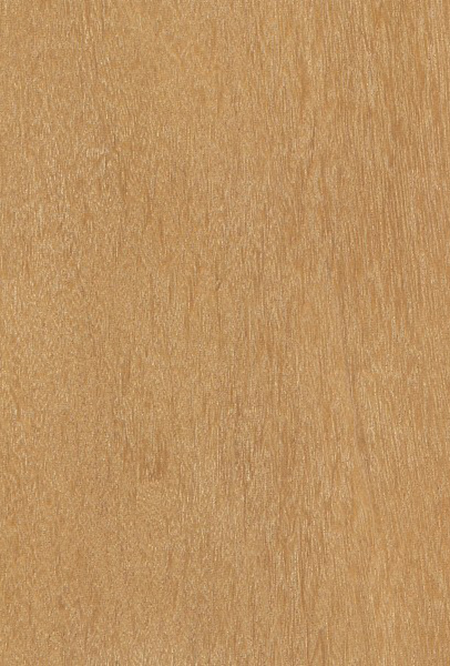
- Species: Tatajuba - Bagassa Guianensis
- Type of timber: Tropical Hardwood
- Durability: Class 1
- Weight: 1100 – 1200 KG/M3
- Hardness: 7700 N Janka
- Origin: South America
- Comments: Tatajuba is another of our preferred timbers for exterior public as a durable and stable timber with very little tannin staining. Colour is usually a golden yellow turning grey on weathering
- Certification: FSC® C005669
-
Download
Tatajuba
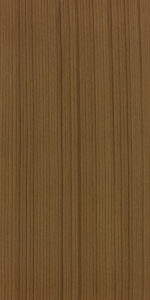
- Species: Western Red Cedar - Thuja Plicata
- Type of timber: Softwood
- Durability: Durable
- Weight: 390 KG/M3
- Hardness: 1560 N
- Origin: North America / Canada
- Comments: Clear graded and stable softwood, durable but suitable for light public use only due to its softness
- Certification: FSC® C005669
-
Download
Western Red Cedar